Chronic Hope

At the end of last year I started to think and pray a lot about writing my own chronic illness themed Bible Study. It’s been a labour of love but here are weeks one and two of the study!

It is a 6 week study with something short to read each day and some reflection questions. If you want to join the Instagram channel I have set up for the study you can do so here: https://www.instagram.com/channel/AbZhRgYpHFwf3G7m/ or you can join the Facebook group ‘Christians with Chronic Illness’ here: https://www.facebook.com/share/g/1C1v8zPen4/?mibextid=wwXlfr

These are intended as safe spaces where you can discuss the study with other Christians and reflect a little as a group – we’re going to be starting with Week 1, Day 1 on Monday 8th September and would love to have you join us! There’s no pressure to join in or contribute, but sometimes it can be nice to be in an environment where you know other people ‘get it’.

Eventually, I am going to publish the study as a book on Amazon but wanted to do a soft launch here – any feedback would be hugely appreciated! I will add the remainder of the study to another post once I have finished editing it, so keep an eye out for the rest coming soon.

All my love,

Anna x

What You Don’t See in the Hospital Notes

I’m back again! It’s been a while since I’ve written and I’ve spent the last 6 weeks in hospital which I think has inspired this post a little.

(Note: the hospital note ‘excerpts’ are fictional, though loosely related to my medical history)

Presenting Complaint

21-year-old female presenting with widespread joint pain, reported fatigue, and possible post-viral symptoms. Multiple prior admissions for unexplained symptoms. Patient appears anxious. History of suspected EDS and functional overlay. Further investigation not indicated at this time.

You don’t write that I had to crawl from the bedroom to the front door because I couldn’t stand upright. That I clung to the banister like it was a rope on the edge of a cliff. That the GP told me, again, it was probably stress.

You don’t mention the way I’d rehearsed my speech in the ambulance. “Don’t say you’re tired. Don’t say you’re scared. Say it hurts. Say you can’t walk. Say the fatigue is overwhelming. Say it like a symptom, not a feeling.” You don’t see the notes I wrote on mu phone because I was afraid I’d get flustered and forget.

You say I “appeared anxious.” As if that explains everything.

You don’t mention that I smiled to be taken seriously. That I didn’t cry because I knew tears are perceived as hysteria. That I lay on the hospital bed with my fists clenched under the blanket, whispering prayers to myself while a junior doctor asked if I might be exaggerating.

You didn’t see me pull on clean socks even though I couldn’t lift my legs. I didn’t want you to think I was dirty. You didn’t see the notebook where I tracked my pain every hour. The part of me still hoping I could prove it.

You wrote “further investigation not indicated.”

I called my mum in the waiting room, whispered, “They think I’m making it up again.” She said, “You’re still breathing. That’s what matters right now.”

That was the first night I started to believe I might survive this, even if the system didn’t believe me.

Mobility and Function

Uses wheelchair part-time. Patient encouraged to mobilise independently. No structural impairment observed. Advised that deconditioning may contribute to perceived mobility issues. Referral to physiotherapy provided.

Perceived mobility issues.

You watched me drag one leg behind the other and called it “perceived.” You watched me tip over sideways from standing and called it “anxiety.” You gave me physio exercises on a photocopied sheet and suggested I just needed to “rebuild confidence.”

You didn’t ask how it felt to move through a world that isn’t made for me. How I still take the longer route through town to avoid the hill, the stairs, the uneven curb. How I once sat outside a building at university in the pouring rain because there wasn’t a ramp out.

You called my wheelchair “part-time,” as if it’s a job I clock in and out of. As if that isn’t your language, not mine.

You didn’t notice how my shoulders dropped with relief when I finally sat in it. How it meant I could go to the shop again, to the library, to the park. How it gave me my body back. You didn’t hear the joy in my voice when I wheeled myself across the hospital car park for the first time in months.

You didn’t see the nurse who brought me a cup of tea and said, “Looks like you’ve done this before.” Like she saw me.

You didn’t write about the stranger in the corridor who told me, “You’re too young for that thing,” pointing to my chair. Or when I replied, “You’re too old to be that rude,” and rolled away smiling. You didn’t document the power I felt in that moment.

I didn’t lose mobility. I reclaimed freedom.

Nutrition and Feeding

Enteral nutrition via NG tube commenced. Patient demonstrated distress during insertion. Limited oral intake reported. Encouraged to increase hydration. Patient appears disengaged from treatment plan.

The first time they inserted the NG tube, I gagged so hard I bruised my own throat. The second time, I asked if I could hold someone’s hand. A junior doctor reached out wordlessly. You didn’t write about her.

You didn’t write about the tape rash on my face or how the pump beeped at 2am like a fire alarm. How I hated being tethered to a machine and loved it, too. It meant I didn’t have to explain, that my body was nourished. It meant I could rest.

You didn’t see me name the tube. Her name was Nelly. Because if I was going to let something live in my body, it might as well have a name.

You said I was disengaged. But I learned how to test the pH myself. I set up the feeds, monitored the pump, calculated the right overnight rate needed. I became a walking spreadsheet, ironic as walking wasn’t possible.

You never asked how it felt to be constantly fed but still hungry – for flavour, for choice, for something warm and familiar. You didn’t mention that I kept imagining my childhood favourite ‘tuna and rice’, picturing the way my mother always served it with a smile. How I wished I could just eat a normal meal but no longer had the energy.

You didn’t see the nurse who brought me stickers to decorate the pump, or the healthcare assistant who used to turn each feed bottle into a different smiley face each night. You didn’t talk about the friend who came to visit and made me laugh so hard until the tube kinked.

I was never disengaged. I was just exhausted. I am. But I am here.

Pain Management

Patient reports widespread pain, self-rated 9/10. No signs of acute distress observed. Request for opioid medication declined due to potential for dependency and possible drug-seeking behaviour. Advised to manage symptoms with paracetamol and CBT techniques.

No signs of acute distress.

I’ve lived in this body for 21 years. I know how to keep my face still when everything inside me is screaming. I know how to breathe through muscle spasms and dislocations and the grinding, electrical throb in my spine. I know how to speak softly so you’ll keep listening.

You don’t see the hours I spent curled around a hot water bottle, willing the pain to plateau. The pain that doesn’t come in spikes but waves – tidal, relentless, cruel.

You declined my medication request and suggested mindfulness. I said, “Do you want me to breathe my way out of a subluxed knee?” You smiled like I’d made a joke.

You didn’t see the nurse who whispered, “I believe you,” and slipped me a heat pack.

You didn’t write about the laughing fit I had with my sister when I was trying to get up the stairs and we both fell down laughing. Not because it didn’t hurt, but because it did – and laughter was the only way through it.

You didn’t see the wall I decorated with song lyrics and pain scale doodles, keeping them within arms-reach in case I needed to put a number to my pain, again. Or the fact that every day I wake up and try. No matter how shitty I feel.

Not because I’m brave. Because I have to.

Discharge Plan

Medically stable. Fit for discharge. Patient advised to follow up with community team and contact GP if symptoms worsen. No additional interventions recommended at this stage.

Medically stable. That was your way of saying, “We don’t know what else to do with you.” Because I certainly didn’t feel stable.

You didn’t mention the way my heart raced as I crossed the threshold. Not because I wasn’t glad to leave, but because I knew I’d be back. Because stable doesn’t mean safe. It doesn’t mean well.

You didn’t see the way I curled up in bed that night, every joint aching from the journey, every nerve on fire. But also: the softness of my own sheets. The cat who lay on my feet. The way I whispered to myself: I’m still here.

I wrote my own discharge note:

Survived. Scarred. Unseen – but still fighting.

All my love,

Anna x

May 2025 Poetry Challenge

Anyone who knows me, knows that I love poetry. I love writing it, reading it, analysing it – there is just something about it that helps to calm me and get my thoughts out on paper. I thought I’d do something a little bit different and start a poetry challenge. Please tag me in your poems (@recovering_my_ sparkle on Instagram) and use the hashtag maypoetrychallenge as well!

  1. A letter to your past self – what advice would you give the younger you?
  2. A place that feels like home – describe a location that brings comfort to you.
  3. Things left unsaid – write about words you never said out loud and what they mean to you.
  4. Roots and wings – write about growth and freedom.
  5. The language of flowers – choose a flower and let it ‘speak’.
  6. Firelight and shadows – explore warmth and fear in contrast using the metaphors of fire and shadows.
  7. Echoes of laughter – pick out a joyful memory and write about that.
  8. The love that changed you – whether it’s romantic or platonic, how did this love shape you?
  9. If your reflection spoke back – what would it say?
  10. A letter from the stars – what would they say?
  11. A scar tells a story – physical or emotional, what do your scars say?
  12. The first time you felt free – capture that moment and the emotions that you felt.
  13. A secret you never said – it can be real or imagined.
  14. A thunderstorm inside you – how does this feel?
  15. Love letter to a stranger – write to someone you’ll never meet.
  16. The ghost of someone still alive – a person who drifted away.
  17. The taste of nostalgia – capture a memory through tatse.
  18. A storm that never ends – what would it feel like to live inside this?
  19. The colour of loneliness – what colour would it be, and why? Is this something you can relate to?
  20. A world without fear – imagine it, describe it, paint a picture (through words) about what it would be like.
  21. If I could hold time in my hands… – Start by finishing this line, what would you do with it?
  22. A place you can never return to – physically or emotionally.
  23. A dream that felt more real than reality – what happened?
  24. Write a poem that ends with a beginning – a cycle, a rebirth, a new start.
  25. A clock that runs too fast (or too slow) – what would it change?
  26. The garden that only blooms at night – what would grow there? What things bloom and thrive in the darkness?
  27. The sound of healing – talk about what you believe healing, recovery, forgiveness, or peace sounds like.
  28. A conversation with the moon – what would you say? What would it reply?
  29. Tomorrow begins with… – finish the thought.
  30. The first line of a new chapter – what do you think is next for you in your life?

Let me know how you get on!

All my love,

Anna x

When Healing Doesn’t Come: Trusting God in the Waiting

This post is one that is hugely personal to me and is on a topic that I have spent a long time looking at and learning about. If you have ever prayed for healing – whether that’s mental health, physical health, or emotional wounds – you will know how hard it is when healing doesn’t come in the way you expect.

Perhaps you’ve cried out to God, but your depression still lingers. Maybe you’ve begged for relief from physical pain, but the symptoms persist. Maybe you’ve asked God to heal the wounds of trauma, but you still wake up feeling broken. When healing doesn’t come – or when it comes slowly – it’s easy to feel forgotten, discouraged, or even angry at God.

If you’ve asked God, Why haven’t you healed me? I want you to know that you are not alone. You only have to look through the Bible to see this. Some of the people we most associate with faith wrestled with this question.

Paul, for example, had what he called a ‘thorn in the flesh’. Whilst we don’t know what it was exactly – some people believe that it was a chronic illness, others think it was emotional suffering – but what we do know is that Paul pleaded with God three times to take it away. And God’s response?

“My grace is sufficient for you, for my power is made perfect in weakness.” (2 Corinthians 12:9)

That wasn’t the answer that Paul was looking for. He wanted healing. But instead, God gave him grace. And that’s hard to accept, isn’t it? Because when we pray for healing, we don’t just want grace to endure – we want relief. And when it doesn’t come, it becomes easy to wonder if God is even listening.

I think that one of the hardest things about faith is that we often expect healing to come in a specific way, but God sees the bigger picture.

Does that mean we shouldn’t pray for healing? Not at all. Jesus himself healed people throughout the Gospels. God is a healer, and we should absolutely bring our needs to Him. But sometimes, it doesn’t happen in the way we expect.

Maybe healing is happening slowly, in a process instead of a miracle. Maybe healing isn’t just physical, but emotional or spiritual. Maybe healing comes in the form of endurance and peace in the middle of suffering, rather than the removal of the suffering itself.

One of my favourite reminders of this comes from Isaiah 43:2

“When you pass through the waters, I will be with you; and when you pass through the rivers, they will not sweep over you. When you walk through the fire, you will not be burned.”

God doesn’t promise we won’t walk through deep waters or fire. But He does promise to be with us in it.

Holding Onto Faith in the Waiting

So, what do we do when healing feels out of reach? How do we hold onto faith when we’re still in the middle of pain?

  1. Be honest with God – God isn’t afraid of your frustration, your disappointment, or your doubt. If you feel angry, tell Him. If you feel weary, cry out to Him. The Psalms are full of raw, unfiltered prayers – God invites that kind of honesty.
  2. Remember that suffering is not a sign of abandonment – one of the biggest lies we believe is that if we’re still suffering, it must mean God has forgotten us. But the cross tells a different story. Jesus Himself suffered, not because He lacked faith, but because suffering is part of life in a broken world. God’s presence is not proven by the absence of pain – He is with us in the pain.
  3. Look for small signs of grace – sometimes, healing comes in unexpected ways. Maybe you’re not free from illness, but you’ve found a deeper sense of peace. Maybe you still struggle, but you’ve built a community that walks with you. Healing isn’t always about the absence of pain – it’s also about the presence of God’s grace in the middle of it.
  4. Keep hoping, even in the unknown – it’s okay to wrestle with God’s timing. It’s okay to not understand. But don’t lose sight of this: the story isn’t over yet. We may not see full healing in this life, but as Revelation 21:4 reminds us, there is a day coming when:

“He will wipe every tear from their eyes. There will be no more death or mourning or crying or pain, for the old order of things has passed away.”

And that is the ultimate hope we cling to. One day, all suffering will end. Until then, God walks with us through it.

I recently read Ruth Chou Simons book ‘Now and Not Yet’ and it changed my perspective completely. I highly encourage reading it if you have struggled with trusting God in the waiting. The book touches on seasons of waiting and when life isn’t what we have hoped or planned.

“I truly believe your current season is not wasted,” writes Simons. “God is purposeful about what happens between today and tomorrow, between right now and someday. My prayer is that we stop hiding behind simple platitudes and quick fixes to our unwanted right nows and bravely step into the ways God wants to change us… instead of staying busy trying to change our circumstances.”

All my love,

Anna x

Myalgic Encephalomyelitis and me

My journey with Myalgic Encephalomyelitis (ME) is one that I could never have anticipated, and yet it has shaped my life in ways I am still trying to comprehend. It has been four years since I received the diagnosis, which, in the grand scheme of things, is not that long. But to me, it feels like a lifetime. A lifetime of limitations, of losses, of learning to navigate a world that no longer fits the way it once did.

Of all the chronic illnesses I have been diagnosed with, ME is the one I would get rid of in a heartbeat. It is cruel beyond belief. It strips away the ability to live life in any predictable or reliable way. There is no cure, no universally effective treatment – only management, and even that feels like a fragile balance. Some days, I can do more. Other days, even sitting up is too much. The unpredictability of it is one of the hardest things to live with. 

There have been times over the last four years where I have been completely bed-bound, unable to do anything but lie in the dark, too exhausted and in too much pain to even sit up. Those periods were terrifying, but I always held onto hope that I would find my way back to a more functional state. And, at times, it did. There were moments when I could leave my flat for short trips, where I felt like I was reclaiming slivers of my old life. But now, since sepsis, those moments are fewer and farther between.

I can now only leave my flat for essential appointments, the ones that must be attended in person. Anything that can be done from home, I do remotely. My world has shrunk in ways I never thought possible. I require a wheelchair to mobilise outside because my legs are too unstable to carry me for any meaningful distance. Inside my flat, I often rely on a walking stick to move between rooms. Even then, most of my day is spent in bed, waiting for the couple of ‘functional’ hours I am granted each day. Those brief windows of time where I feel somewhat capable of doing small tasks, of engaging with the world beyond my bed. 

One of the most distinct and cruel markers of ME is the way your body punishes you for overstepping its limits. When I push too hard, even slightly, I pay for it. The flares are brutal, and the warning signs are unmistakeable. When I have overdone it – whether that means sitting up too long, engaging in too much conversation, or even just focusing too hard on something – I feel it almost immediately. My legs burn as if they are on fire, a sensation so intense that it is impossible to ignore. It is my body’s way of screaming at me that I have no rested enough, that I have ignored its pleas for stillness.

The thing about ME is that it is not just about fatigue. That word does not do justice to the bone-deep exhaustion that no amount of sleep can fix. It is like being weighed down by an invisible force, making every movement feel like wading through cement. It is pain that radiates through my muscles and joints, an unrelenting ache that never truly disappears. It is cognitive dysfunction – brain fog so thick that I forget simple words mid-sentence, struggling to focus, and sometimes feel as though my mind has simply stopped working altogether. It is sensory overload, where lights are too bright, sounds are too loud, and even the touch of fabric on my skin can feel unbearable.

Since sepsis, my body has become even more fragile. I used to have at least a little energy to ration throughout the day, but now, every action comes with a cost. The simplest tasks – brushing my teeth, getting dressed, making a cup of tea – feel monumental. I have to think about every movement, weigh whether it is worth the energy expenditure, knowing that if I push too far, I could be bedridden for days. My life has become a delicate balancing act between doing too much and not doing enough.

Sleep offers no relief. No matter how many hours I spend resting, I wake up just as drained as before. And even on nights where exhaustion consumes me, sleep doesn’t always come easily. The pain, the discomfort, the sheer weight of my body’s brokenness keeps me tossing and turning, desperate for rest that never truly arrives. When I do sleep, I wake up feeling like I have run a marathon in my dreams, my muscles aching as if I had been fighting through the night. 

The isolation that comes with ME is another layer of cruelty. I have lost the ability to maintain relationships the way I once could. I miss out on gatherings, on conversations, on simply being able to exist in the world in a way that feels normal. Friends and family understand to an extent, but unless someone has lived through it, they can never fully understand. My dad was actually diagnosed with ME when I was a baby and, though he doesn’t struggle any more, it means that my family have a very good understanding of my day-to-day life.

I miss spontaneity. I miss being able to say yes to things without immediately calculating the toll it will take on my body. I do not know what the future holds for me in terms of ME. It is scary waking up each day, not knowing how the day will go, what your body will cope with. And it is terrifying when you experience a decline – is this what is going to tip your body over the edge? Is it just a temporary flare, something that’s going to stick around for a long time, or, god-forbid, be permanent? 

What I do know is that, since sepsis, things have been worse than ever before. I have lost more than I ever thought I could, and I am still trying to come to terms with that. But I have also learned resilience in a way that few people understand. I have learned to exist within my limitations, to navigate a life that looks nothing like the one I imagined. And, most of all, I have learned that survival is not just about living – it is about adapting, about finding ways to exist within the cracks of what was lost, about holding onto hope even when it feels like everything is slipping away. 

My next post is going to talk about what people with ME want you to know, as well as exploring some of the ways other people with the condition describe it to others.

Until then,

All my love,

Anna x

Eating Disorder Awareness Week 2025

Eating Disorder Statistics – The Priory

The following statistics are from The Priory Hospital Group. Research suggests that:

  • Between 1.25 and 3.4 million people in the UK are affected by an eating disorder and 25% of them are male.
  • Most eating disorder develop in adolescence but there are cases of children as young as 3/4 being diagnosed or adults in their 70s developing one.
  • Around 10% of people affected by an eating disorder suffer from anorexia nervosa and the average age of onset is 16 to 17 years old.
  • 40% of people affected have bulimia nervosa with the average age of onset being 18 to 19 years old.
  • The rest of sufferers fall into the binge eating disorder (BED) or other specified feeding and eating disorders (OSFED).
  • It is thought that people who have family members with eating disorders are more likely to develop one themselves compared to people who have no family history of an eating disorder.
  • Eating disorders have the highest mortality rate of all psychiatric disorders.
  • The earlier someone gets treatment, the better their chances of recovery.

Eating Disorder Statistics – BEAT

The following statistics are from the UK’s Eating Disorder charity, BEAT.

  • Research from the NHS information centre showed that up to 6.4% of adults displayed signs of an eating disorder.
  • There has been a drastic rise in the number of hospital admissions for eating disorders. It seems to rise around 7% a year.
  • A 2017 study by Hay et al found that anorexia accounted for 8% of cases, avoidant/restrictive food intake disorder (ARFID) for 5%, binge eating disorder (BED) for 22%, bulimia for 22% and OSFED accounted for 47% of cases.
  • Research carried out in Australia suggests that the average duration of anorexia is 8 years and 5 years for bulimia. However, they can become severe and enduring, lasting for many years – though this does NOT mean that recovery is not possible.
  • It is thought that around 46% of anorexia patients fully recovery, 33% improve, and 20% remain chronically ill. With bulimia, 45% make a full recovery, 27% improve substantially, and 23% suffer chronically.

Eating Disorder Statistics – Eating Disorder Recovery Center (USA)

  • 9% of the US population will have an eating disorder in their lifetime and one death every 52 minutes is the direct result of an eating disorder.
  • Less than 6% of people with an eating disorder are underweight.
  • Between 9-24% of people in eating disorder treatment also have PTSD which likely leads to more severe eating disorder symptoms.
  • 13% of women over the age of 50 have eating disorder symptoms.
  • Around 3.6% of men on college campuses have an eating disorder.
  • In less than a decade the rate of children under the age of 12 being admitted to hospital for an eating disorder rose 119%.
  • Approximately 6-8% of teenagers have an eating disorder.

      The most important thing to remember is that recovery is possible and that, no matter what symptoms you are experiencing, you are worthy of support and treatment – don’t be afraid to reach out and ask for help!

      All my love,

      Anna x

      Loneliness in Chronic Illness

      Living with chronic illness is a journey that is full of challenges – physical, emotional, social – you name it, it can be a challenge. Among these, loneliness is something that is incredibly common but is also underestimated by a lot of people. Chronic illness fundamentally reshapes your entire life – activities that one brought you joy may no longer be possible due to pain or fatigue, friends and family may struggle to understand your limitations which also leaves you vulnerable to feelings of loneliness.

      Social events often require energy and effort that a lot of people with chronic illness are unable to participate in. Spoon theory is a good way to describe the energy limitations that are imposed on someone with a chronic health condition, and often we simply lack the ‘spoons’ needed. This can lead to feelings of isolation as being around friends and family is how we feel connected and is something that people need – we use solitary confinement in prisons as a punishment because it removes that connection that all humans need.

      As well as this, when people misunderstand our illness or limits that we have, it can lead to a lack of empathy or patience. It’s understandable that, unless you’ve got a chronic health condition yourself, you can’t fully comprehend what life is like. And as chronic illnesses are so unique and symptoms vary drastically from person to person there can be misunderstanding between individuals with the same condition. It often feels like no one understands what life can be like, and this is a lonely place to be!

      Loneliness doesn’t just stem from chronic illness either – it can actually worsen it. Social isolation can exacerbate feelings of depression, anxiety, and hopelessness, which can, in turn, amplify physical symptoms. It can feel like a never-ending cycle that is impossible to break.

      But despite the loneliness that you may feel, there are other ways to connect with people. I have found communities online that have allowed me to connect with and speak to other people with chronic illness who understand what life can be like. For me, social media is my connection to the outside world – if I didn’t have access to it then life would feel even more isolating for me. I sometimes take breaks from social media as it can feel overwhelming at times, but I do miss the sense of community and understanding when I am away from those groups.

      If you know someone who is living with a chronic illness, remember that your understanding and patience can make all the difference. Reach out, listen without judgement, and offer support in whatever way your loved one needs. Offer to pop round for a cup of tea or to go to drop off some shopping. Ask if they want to chat on the phone or over facetime. Find out if they need help with jobs around the house and offer to go over and help them get some bits done. Whatever is needed at the time – knowing that they have people who love and care about them will undoubtedly make the person struggling with chronic illness feel valued and connected to you!

      All my love,

      Anna x

      Diagnosed with Autism as an Adult

      Last year I was diagnosed with Autism. It was a diagnosis that had been brought up a few times in the past, but until recently I wasn’t open to the possibility of an assessment. I’d rather unpolitely told my key worker when I was under the Child and Adolescent Mental Health Service to stick it. But last year I had my assessment as I decided that I’d lived long enough feeling like something was wrong with me and I needed answers.

      For so many people, myself included, being diagnosed as autistic can feel like that one missing piece of the puzzle has finally slotted in to place. It is a moment of clarity that can explain years of feeling different and misunderstood. But it can also bring about other emotions – relief, confusion, grief, and sometimes joy. More and more people are finding out that they’re autistic as adults as we finally recognise what autism looks like and how it might present. This comes after years of trying to navigate a world that wasn’t built for them.

      ASD is a historically under-diagnosed condition especially in women, people of colour, and those who don’t have obvious behavioural challenges. Many of us who are diagnosed later in life grew up at a time when autism awareness was limited and only really associated with children or those presenting with stereotypical traits.

      For me, I spent years of my life feeling like something was wrong with me. I never seemed to fit into the typical mould that my peers did – I wasn’t interested in the same things as them, I preferred to spend time alone, and I really struggled with forming and maintaining friendships. So when I received my diagnosis I felt a huge wave of relief because there was finally an explanation for why I had felt different my entire life. It provided validation and allowed me to stop beating myself up for my difficulties.

      I started to feel all the feelings – I felt sad, frustrated, angry and overwhelmed, with relief mixed in for good measure.

      I was angry with myself that when CAMHS discussed the possibility of me being autistic, I told them to stick it and refused to discuss it any further. I felt angry with myself that I never went ahead with an assessment. I was frustrated that no one else noticed the signs prior to this, especially when everything began to feel incredibly obvious.

      Why did I feel like this?

      Because if I had been recognised as autistic 5, 10, 15 years ago I’d have probably achieved my degree. I’d have been able to understand myself better and make adjustments that may have made university and work more feasible. I might not have chronic mental health issues or have spent so long in environments that are so unsuitable for neurodiverse individuals. I’d have had years to wrap my head around it all. I began to feel like life could look so different for me.

      But I also began to learn that autism isn’t something for me to fix. And I started to feel relief that at least I could start to make adaptations to my life that will benefit me from here on. I realised that I could start to embrace myself in an authentic way and that I could celebrate my strengths and skills.

      Yes, receiving my diagnosis meant I had to make a huge shift in self-understanding. I had to begin unlearning societal expectations that I’d spent years trying to adapt to. I realised that my diagnosis didn’t change who I am – I have always been autistic and will always be autistic – and that is ok! I now get to try and build a life that allows me to honour my needs, strengths, and individuality.

      All my love,

      Anna x

      Managing Guilt – When Chronic Illness Impacts Relationships

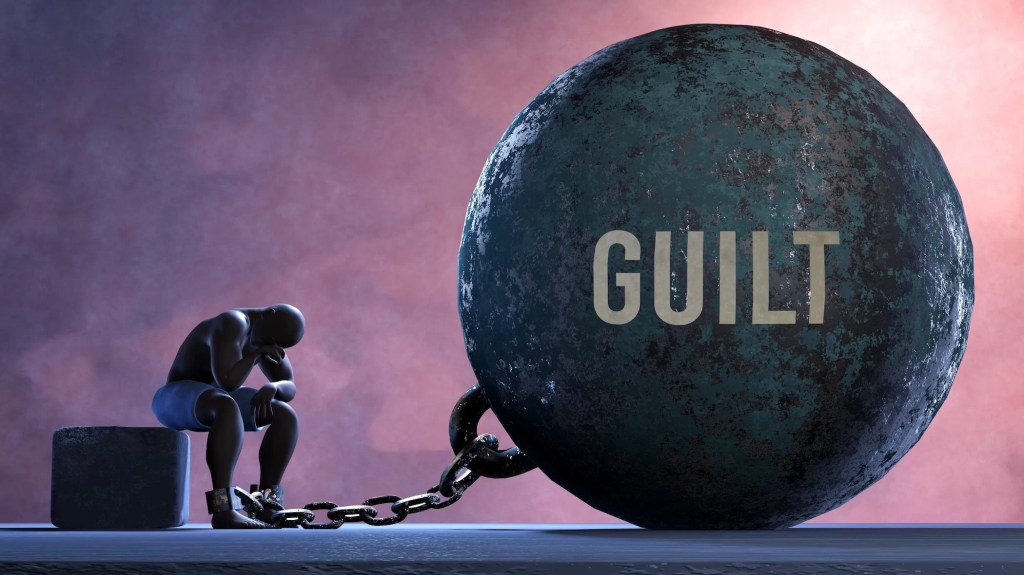
      Chronic illness doesn’t just affect you, the person experiencing it – it has a ripple effect that spreads out to family, friends, colleagues. Something that I know a lot of people struggle with is the feelings of guilt that can arise because of this. Guilt can stem from feeling like a burden, missing out on social or work related events, or needing additional help from others. While this is a natural way to feel, it can have a long-lasting impact on mental health and relationships.

      There are numerous reasons that you might feel guilty when struggling with chronic illness. Often people describe feeling like a burden as they require more support with things like shopping, cooking, cleaning or even washing yourself. This leads people to feel badly about the amount of time and energy that is being spent on your care. The nature of chronic illness is that they are unpredictable. This can mean that you have to cancel plans last minute and therefore feel like you are letting others down. It can also impact family dynamics and impose limitations on what you can do in terms of work – both of these can cause guilt as you feel like you are disrupting people from living their life or not pulling your weight.

      I think it’s important to remind yourself regularly that needing help from others doesn’t mean that you are weak or less valuable. Relationships are mutual and those closest to you want to help you in any way they can. It can help to talk about your feelings of guilt – it may not be obvious to others that you are feeling this way, and talking to them means that they can reassure you that they are happy to help. They say a problem shared is a problem halved, right?

      Even if you can’t contribute to things in the same way that you did pre-illness, you can find other ways to show your support, care and appreciation for those around you. Chronic illness is not your fault, and guilt won’t change your circumstances. Think of all the brain space you might free up if you’re not constantly berating yourself for what you can’t do!

      Having healthy boundaries can help prevent resentment and allow your relationships to blossom and thrive. Remind yourself frequently that letting other people help isn’t weakness or a sign that you are no longer independent – you can be independent and still ask for help.

      Remember this: guilt is a natural response to the challenges of living with chronic illness, but it doesn’t have to define your relationships or self-worth.

      All my love,

      Anna x

      Why I hate New Year’s Resolutions

      Every year, millions of people readily come up with New Year’s resolutions and are filled with anticipation that this might be the year that we eat better, exercise more, complete a project or achieve a life goal. And every year, by February (or let’s be real – by mid-January) planners are discarded, gyms are emptier and diets have gone out the window. Sound familiar? That’s because, for the most part, New Year’s resolutions are a load of crap.

      They are built on a false premise – the idea behind New Year’s resolutions is simple: January 1st is some kind of magical reset that will transform you into a better version of yourself. But here’s the truth: change doesn’t care about the date on the calendar. There isn’t anything that special about the first day of the year. Waiting for a specific date to work towards achieving a positive goal or habit is just procrastination wearing a festive hat.

      They set you up for failure – most resolutions are vague and unrealistic. They might sound nice, but without a concrete plan or measurable milestones, they’re destined to fail. When you inevitably fall short, you’re left feeling guilty and frustrated – not exactly the motivation you’re wanting, right?!

      They’re all or nothing – resolutions are framed as black or white, there is no grey area. Either you’re hitting your daily step goal or calorie ideal or you’re failing. This is a recipe for disaster because life is messy and slip-ups are inevitable. It is not a reason to quit altogether.

      They ignore the power of small, steady change – real, lasting change doesn’t happen in giant leaps; it happens in the small, consistent steps. Small wins help you to build momentum and, in turn, motivation. New Year’s resolutions are idealistic and built on the idea of instant transformation.

      They’re driven by external pressure – lets be honest: how many resolutions you come up with are things you actually want vs things you think you should want. Unsurprisingly, when you make resolutions that are driven by what you think you should want, they become easy to abandon, and therefore fuel the feelings of guilt and failure.

      They are a marketing ploy – New Year’s resolutions are a goldmine for companies looking to sell you something. Gym memberships, subscriptions to diet plans, apps that promise you productivity – they are capitalising on your hopeful (and usually short-lived) commitment to self-improvement. Instead of falling for the hype and buying in to something you don’t really want or need, ask yourself: do I really need this or am I falling for a clever sales pitch?

      So, what’s the alternative?

      Ditch the pressure-filled annual ritual and focus on a more sustainable approach to change – focus on habits and taking small steps each day, remember that you can start at any time because the best time to start is always now. Be compassionate and gentle with yourself and remind yourself that you can adjust your goals and plans as you need to. And, finally, make sure that your goals align with your values – you’re much more likely to keep motivated to achieve your goals if they fit who you are as a person!

      The bottom line is this: you don’t need an arbitrary date or big resolution to grow or succeed. Real change happens gradually and consistently. I hope that the next year is the year where you learn to focus on building a life that feels good no matter what day of the year it is.

      See you all in 2025!

      All my love,

      Anna x

      Ella’s Sepsis Story

      If there’s one thing you read in its entirety today, please let it be this.

      It been 2 year ago now since I knocked on death’s door! I went from being at a farm swap one day, to dying the next. It wasn’t a rare medical condition that brought me from being a healthy woman to a dying one either. It just hit hard, it hit fast and it would turn my life upside down.

      In August of 2022 I had sepsis. And then in October of 2023 it came back. The goal of 2024 is to not get sepsis!

      Before I had sepsis, I knew that sepsis was your body’s reaction to infection. I just thought old people got it or those with poor health. I didn’t know people like me(or that even my children) could get it so quickly and I didn’t know that sepsis had long term health affects. I was pretty uneducated about what sepsis was.

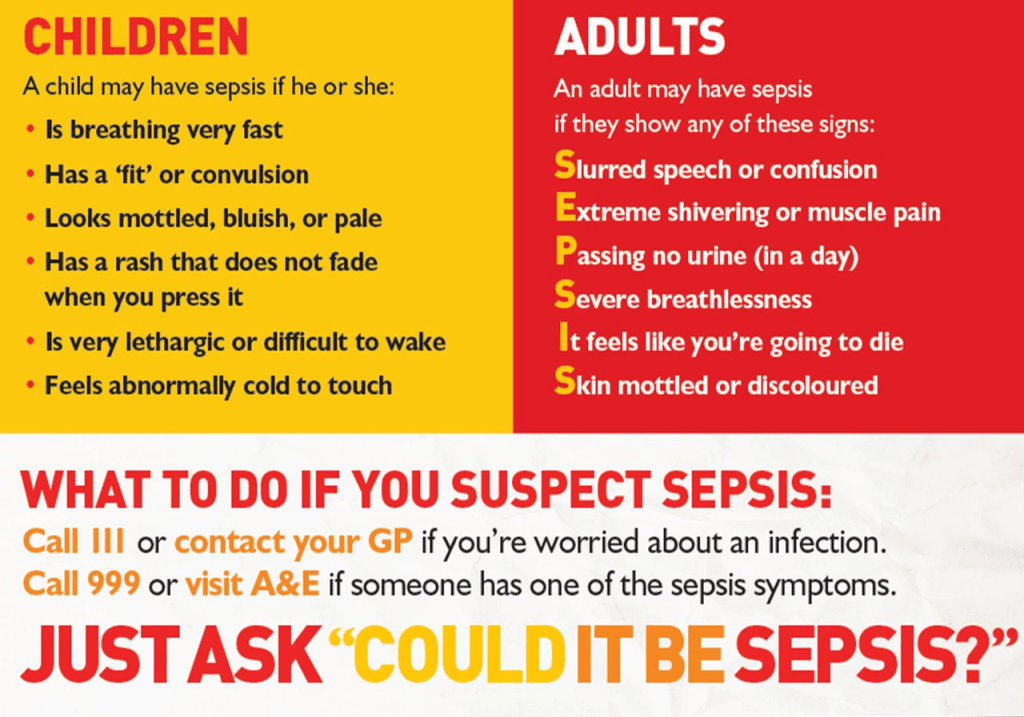
      And so it’s become important to me to share what sepsis is, to tell you how to recognize signs of it and to tell you what post-sepsis syndrome is, in hopes that if you are sick you don’t wait to seek medical attention.

      Sepsis is the body’s extreme response to an infection. If you don’t get treatment for it, it can lead to organ failure, tissue damage and death.

      Symptoms of sepsis are not specific. They can vary from person to person. Initially my blood pressure was low and I had change in mental clarity… my mental state was the most drastic actually. So much so that the hospital ER staff believed I was high on narcotics and was treating me as such. It wasn’t until the hospital made contact with my husband and my best friend arrived at the ER that they were able to ensure the hospital I wasn’t a drug addict and that something else was wrong. And it was! I was finally given a urine drug screen and passed, but the long wait in the ER and being treated as just another addict had delayed much needed treatment and my sepsis turned into septic shock. My best friend saved my life that day.

      I spiraled quickly… my blood pressure was low, my respiratory rates were high, I had a fever, I was hallucinating, I was shivering, I lost control of my bladder functions, I felt nauseous. I felt absolutely horrible.

      Having sepsis led to my long admittance to the hospital. If I had stayed home, I wouldn’t have made it. If the hospital had delayed longer, I wouldn’t have made it. When people don’t get treatment, sepsis is a leading cause of death. Sepsis ranks higher than breast cancer, lung cancer, and heart attacks. It’s serious stuff. Sepsis can kill an affected person in as little as 12 hours and now that I’ve “been there, done that”, I can testify that this is absolutely true. I was feeling pretty deathly pretty rapidly.

      Sepsis is treated with a strict antibiotic regimen. The underlying cause of sepsis or the original infection isn’t always known. It wasn’t ever clearly determined what caused me to get sick. They just have theories.

      When I was discharged from the hospital I left knowing I’d be out of work for a bit, taking time to feel better, get rested, etc. But as the days grew to weeks, I wasn’t getting better. I found myself lost(literally), easily confused, at a loss for words, extremely tired, and unable to do tasks I once could. I would wake up and be disoriented to where I was. I’d sit in the house and not know what I was supposed to be doing. I’d try to do simple tasks like pickup dinner at the store and then completely forget why I was there. I would see people and they would act like we knew each other but I had no memory of them. Jason would tell me who they were but it’s like they never existed. I’d relearn people, names, and events. I would later find out that I had post-sepsis syndrome.

      Post-sepsis syndrome affects 50% of sepsis survivors. Symptoms vary from psychological to physical effects. My short term memory was heavily impacted as was my cognitive functioning, similar to that of a traumatic brain injury. I had extreme fatigue and chest pains. My once normal heart now had tachycardia.

      Post sepsis has required me to take medications just to stay awake during the day and to stimulate my brain. It’s changed my heart functioning and I take medications to keep it beating the right way. It’s made me forget some moments I desperately want to remember. It’s made simple memory tasks into harder ones. It’s made me rely on others to help do tasks I once could easily do. It’s enrolled me in rehab where we practiced skills to help my injured brain.

      Now I do things on my speed and with tons of support from my husband and kids.

      If you say “wow! I didn’t know!” It’s because I have the best support system someone could ask for. You don’t see me fail because of them. I succeed because they are behind me filling in the gaps.

      I don’t share this because I want prayers or good vibes. I don’t want sympathy. On my two year almost dying anniversary, I want you to take sepsis seriously. Very seriously. I want you to go the doctor when you have an infection. I want you to take 5 mins today and to Google sepsis and read about all the signs and symptoms of sepsis.

      I want you to be healthy. ❤️

      April’s Sepsis Story

      I had a brainwave a couple of days ago and thought it would be really good to share as many stories of sepsis as possible on this platform. I might not have the widest reach in the world, but I have had people reading from across the world and sepsis is so serious that to me, it feels like a no-brainer. Awareness saves lives. I just want to thank every person who has agreed to share their story with me as it takes a lot to put yourself out there. Over the next couple of weeks I’ll be sharing various stories – please read and show some support to these amazing humans for wanting their story out there to hopefully help others!

      On Saturday, September 2, 2017, I delivered a healthy baby boy and I was the happiest woman on earth. My husband and I had prayed for this child for years and this was going to be the start of our new adventure. What I did not know then was that this adventure was going to have a very rough start, one that still leaves me with nightmares.

      On the day I was supposed to be discharged from the hospital I began to feel sick. I began to experience fever, chills, overall feeling of weakness, became short of breath, and felt like my heart was racing. I told my doctors all of my symptoms, but was quickly brushed off and was told that I was likely “just anxious about being a new mother.” Some tests were run and my White Blood Cell (WBC) count was higher than the previous tests, but again I was brushed off and told, “An elevated WBC count is normal after child birth.” When I was shivering from my fever, I was told to take a hot shower and one doctor even turned the thermostat in my room up to 80 degrees to stop the shivering. When my fever turned to sweats a nurse brought me a fan, again I was not taken seriously. Over the next few days I would continue to complain to doctors, but I continued to be ignored. One doctor even told me I was being “crazy” and needed to “stop”.

      After doctors had given me enough Ibuprofen to make my fever go away for a while, they told me my new mom anxieties would likely go away when I got home and they sent me home with a prescription for anxiety medication. Not being a medical professional, or knowing what an elevated heart rate, fever, and elevated white blood cell count meant, I naively believed the doctors, that I would feel better once I got home.

      Upon going home my symptoms did not improve. I continued to take the prescribed medications, including the anxiety medication prescribed by the doctor. My heart continued to race and I could not sleep or care for my newborn baby. Within about 36 hours of being released from the hospital, I couldn’t take it anymore and returned to the hospital first thing 9/08/17. On the way to the hospital I told my mother about the doctor telling me I was “acting crazy”, and was second guessing going back for fear that I would be told the same thing and sent home again. I am thankful my mom kept driving and insisted I get checked out. After a short stay in triage I was admitted into the hospital due to suspicions of an infection. Over the next 24 hours in Labor and Delivery my condition did not improve, I got progressively sicker and sicker as each hour passed. I went to the hospital to get better, instead I laid there getting worse. The OBGYN doctors had no real answers for my family. In the early morning hours of 9/09/17, I was finally taken to the ICU by a nurse from a different department who looked at my labs and knew something was extremely wrong. Had he not taken quick action, there is no doubt I would not have survived another 24 hours in the Labor and Delivery unit.

      Over the next 2 weeks I would be treated for sepsis, endomitritis, septic shock, and all the other issues that go along with those, I.E.. kidney failure, shock liver, unstable blood pressure, pulmonary edema,  blood clots, and the list goes on. I don’t remember much from my 9 days in the ICU and my earliest memories of waking up from my medically induced coma are filled with nothing but confusion. Where was my son? Did I even have a baby? Was that a dream? Whose hand did I trace the letters “C-R-U-Z” in to when I had a tube in down my throat?

      I would later learn that was my mother’s hand that I traced my son’s name in to and that was one of the very first things I did when I woke up. As I started to become more aware my family and doctors carefully tried to explain to me that I had developed an infection of an unknown source. That was the very first time that I had ever heard the word, “sepsis.”  At the time, I had no idea what septic shock even meant. I was very confused. I had no idea that I had literally just escaped death. I had no idea that during my time in ICU the doctors told my family to call those closest to me to say their goodbyes.  I had no idea that my husband had to think about how he was going to raise his son without a mother. I had no idea that my son came so close to growing up without his mama. I had no idea what I had survived had killed so many others.

      My husband recently visited another hospital in our area and noticed several posters about the symptoms of sepsis and we all talk about how if we had seen that information what might have been different. I constantly find myself saying, “I wish I had known about sepsis.”

      Although my story of being a new mom got off to a rough start, today I am a happy, healthy, mama to a silly, smart, and sometimes a bit of a wild child boy. On the days when I get upset about missing out on the first month of dirty diapers, midnight feedings, and sweet baby cuddles I am reminded that not all who experience sepsis are as lucky as me. Now more than ever, I hear stories about people who have lost limbs, had severe long-term problems, and even died from sepsis.  Throughout my one month stay in the hospital I constantly heard from medical professionals how “rare” sepsis is, but as I have done more research I am realizing sepsis really isn’t rare at all.

      As I continue to share my story  I find people just don’t know what sepsis is. I try to stress to everyone that while my sepsis experience was related to child birth, sepsis can affect anyone from something as small as a cut on your finger.

      My goal in sharing my story is to help educate others about the symptoms of sepsis and the importance of advocating for your own health or the health of those around you.  Because sepsis can affect anyone I want to help raise awareness across all audiences, but my experience has led me to have a special place in my heart for mothers-to-be. I  I hope that more OBGYN teams will educate themselves on sepsis so that no family has to go through what mine did and even more so, I hope that pregnant women learn the symptoms and stand their ground if they feel that something is not right.

      My Sepsis Story

      In January this year I had sepsis and it was the most terrifying experience of my life. It wasn’t the first time I’ve had it but it was the worst. As people with Fowler’s Syndrome are at higher risk of infections due to catheters, it follows that we are also at higher risk of developing sepsis. I’m really fortunate that because I was already in hospital at the time, it was caught early because things could have been much worse.

      On New Years Eve I started to feel incredibly unwell. At first I thought it might just be the start of a migraine because I’m often sick and more exhausted than normal when I feel one coming on. But when the nurse in my bay came to do my observations I could tell something was seriously wrong. She immediately went to call a doctor and within 5 minutes my bed was surrounded.

      My blood pressure had absolutely tanked (my notes, which I later read, said that it was 61/30), my temperature was 41°c and despite being in bed my heart rate was 149bpm. My score on the National Early Warning Signs system was 12. They took bloods straight away, including blood cultures, and put me on continuous fluids. And when they looked at what my lactate level was they knew that they were probably dealing with septic shock. A normal blood lactate level is less than 2.0mmol/L (some sources say that it’s less than 1.0mmol/L) and mine had jumped to 23. My entire body felt like it was on fire and I was beginning to feel quite disorientated.

      Whilst they waited for my blood cultures to come back I was put on 3 different IV antibiotics until they knew what one was most appropriate. The critical care outreach team came to see me and discussions were had about whether or not I needed to be moved to intensive care. I wasn’t tolerating my feed at all so it had to be stopped for a few days, and when I woke up on New Years Day, I had the worst headache I’ve ever experienced. If I thought the headache that was starting the day before was bad, it was nothing in comparison to this.

      I genuinely felt like my head was going to explode. I couldn’t move at all – I couldn’t sit up, turn from side to side, and the bright hospital lights just made everything worse. This made the medics suspect that I might have meningitis, but once my blood cultures came back, they realised that it was ‘just’ being in septic shock. I’m pretty glad that I didn’t have to have a lumbar puncture – I was hours away from that being carried out.

      The continuous IV fluids were carried on until my blood pressure had stabilised a little – it took 4 days before it was normal enough that I was allowed to stand up and walk to the toilet (that was about 5 steps in front of my bed), and the same before my temperature dropped below 40°C. The critical care outreach team came to see me 4-6 times a day whilst my NEWS was still so high.

      I don’t think I’ve ever felt so unwell in my life. All I asked the doctors for the first few days was ‘am I going to die?’ because I really did feel like that was the likely outcome. And now, being a science nerd who likes to read research papers for fun, it’s made things even clearer in terms of how unwell I was. In all honesty, the severity of my symptoms was probably also, in part, due to malnutrition and having experienced refeeding syndrome the week prior to going into septic shock. My body was struggling a lot.

      It took a good 4 weeks before I started to feel semi-human again (although I still wasn’t at my baseline) and what did my body reward me with? Sepsis take two. I wasn’t quite as unwell the second time around, which I’m very grateful for, but it’s still taken it out of me. I’m still not back at baseline, even 6 months later, and I’m anticipating a long road ahead of me, but I know I’m incredibly lucky to be in the position I am, because things could have been very different.

      All my love,

      Anna x