
Living with chronic illness is a journey that is full of challenges – physical, emotional, social – you name it, it can be a challenge. Among these, loneliness is something that is incredibly common but is also underestimated by a lot of people. Chronic illness fundamentally reshapes your entire life – activities that one brought you joy may no longer be possible due to pain or fatigue, friends and family may struggle to understand your limitations which also leaves you vulnerable to feelings of loneliness.
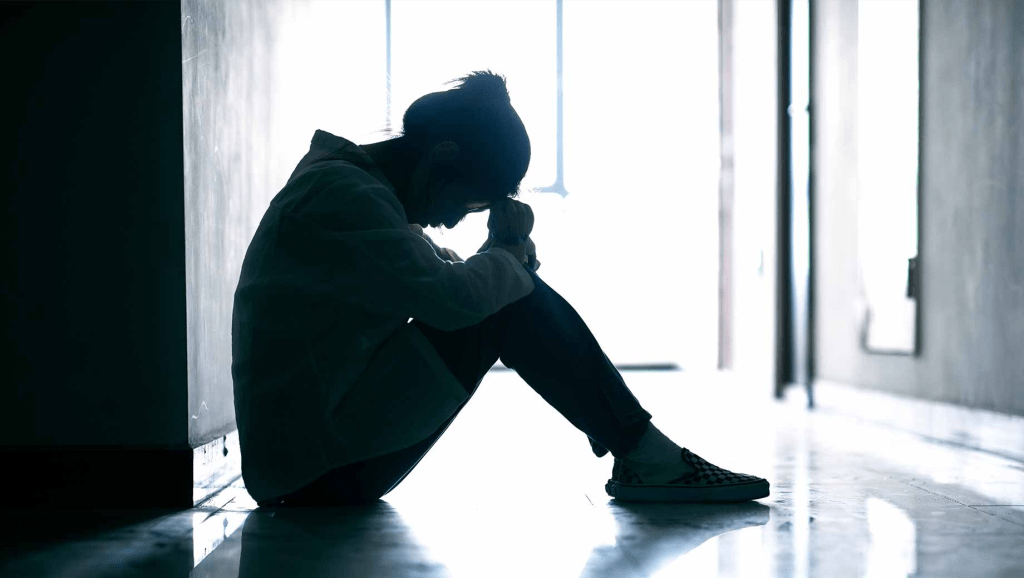
Social events often require energy and effort that a lot of people with chronic illness are unable to participate in. Spoon theory is a good way to describe the energy limitations that are imposed on someone with a chronic health condition, and often we simply lack the ‘spoons’ needed. This can lead to feelings of isolation as being around friends and family is how we feel connected and is something that people need – we use solitary confinement in prisons as a punishment because it removes that connection that all humans need.
As well as this, when people misunderstand our illness or limits that we have, it can lead to a lack of empathy or patience. It’s understandable that, unless you’ve got a chronic health condition yourself, you can’t fully comprehend what life is like. And as chronic illnesses are so unique and symptoms vary drastically from person to person there can be misunderstanding between individuals with the same condition. It often feels like no one understands what life can be like, and this is a lonely place to be!
Loneliness doesn’t just stem from chronic illness either – it can actually worsen it. Social isolation can exacerbate feelings of depression, anxiety, and hopelessness, which can, in turn, amplify physical symptoms. It can feel like a never-ending cycle that is impossible to break.
But despite the loneliness that you may feel, there are other ways to connect with people. I have found communities online that have allowed me to connect with and speak to other people with chronic illness who understand what life can be like. For me, social media is my connection to the outside world – if I didn’t have access to it then life would feel even more isolating for me. I sometimes take breaks from social media as it can feel overwhelming at times, but I do miss the sense of community and understanding when I am away from those groups.
If you know someone who is living with a chronic illness, remember that your understanding and patience can make all the difference. Reach out, listen without judgement, and offer support in whatever way your loved one needs. Offer to pop round for a cup of tea or to go to drop off some shopping. Ask if they want to chat on the phone or over facetime. Find out if they need help with jobs around the house and offer to go over and help them get some bits done. Whatever is needed at the time – knowing that they have people who love and care about them will undoubtedly make the person struggling with chronic illness feel valued and connected to you!
All my love,
Anna x
 Mending the Broken