Eating Disorder Awareness Week 2025

Eating Disorders Don’t Just Disappear When Someone Gains Weight

This week is EDAW and I couldn’t decide what I wanted to write about. Eventually, after many lists and deliberations I settled on discussing how eating disorders don’t just magically disappear when someone has gained weight. This is something I have definitely experienced, but I want to preface this post with a couple of things. Firstly, if this is a topic that might be triggering to you, please feel free to scroll on and ignore me! Secondly, I know I highlighted this in my post on eating disorder statistics (you can find it here), but it is estimated that less than 6% of people with an eating disorder are medically underweight, and therefore weight gain might not be the goal for everyone with an eating disorder – I am basing this purely off my own experiences!

Eating disorders are incredibly complex conditions and there are so many components to recovery – weight gain is just one of those components for some people. Whilst weight gain can be crucial for some people with eating disorders, it doesn’t mean that once weight gain has happened the disorder just goes away. Unfortunately, a lot of specialist services are so underfunded that they can only see the most physically compromised patients and many services have weight thresholds that people have to meet in order to access care. This also means that often people are discharged once their weight reaches a certain point and can contribute to the perception that people have that weight gain = recovery.

Eating disorders are deeply rooted in thoughts, emotions, and behaviours, not just physical symptoms – they are mental health conditions, after all. It is incredibly common for people to restore weight whilst still struggling with obsessive thoughts about food, body image, and self-worth. If we only focus on weight gain and don’t address the underlying issues, then how can we expect someone to reach a state of full recovery? Anxiety, guilt and shame are just three feelings that can persist long after weight has been restored.

As well as this, it isn’t uncommon for disordered behaviours to shift as people gain weight. For example, someone who is diagnosed with anorexia nervosa, might start to struggle with binging and purging – behaviours that are more commonly associated with bulimia nervosa. Food restriction might turn into over-exercise as they struggle to cope with the guilt of gaining weight and their ‘new’ body. Or, they might start to restrict in more subtle ways – only eating ‘safe’ foods for example. This is something that I have struggled with a lot – I spent the best part of 3 years only eating the same 5 foods. No matter how boring it got or how fed up I was with eating the same things on repeat, I didn’t feel able to push myself beyond those foods that my brain had deemed ‘safe’.

It’s also very easy to become preoccupied with a fear of relapse or of the consequences that might come with relapse – for example, hospitalisation or being forced into treatment again. This can feel like you’re trying to balance on a tightrope, carefully trying to stay the right side of the line between freedom and being trapped in hospital. It can, therefore, be incredibly easy to fall back into old patterns when stress levels are high or when people make comments about your body or diet.

When you are recovering you have to go back to basics. It will probably sound strange to anyone who hasn’t struggled with an eating disorder, but in some cases, it can feel as though you are having to relearn how to eat. You have to get used to your body’s hunger cues again, how to cope with the feelings and emotions that eating ‘normally’ can bring up, and how to manage these without resorting to old patterns. Just because someone ‘looks better’ doesn’t mean that they are feeling better or have developed a completely healthy relationship with food again.

I had an OT when I was in hospital who took me right back to basics. When I was terrified of food, she would get me to do things like playing with food, or turning the food on the plate into a picture – things that probably sound quite juvenile, but were actually incredibly beneficial to me in terms of relearning what a proper relationship with food looked like. Just as babies learn about food and different tastes and textures through making a mess and experimenting with different things, I, too, had to learn to do this again. Gradually this made it easier and easier – to begin with I was scared to hold food as I thought that it would cause weight gain, and over time I learned that this was just my brain warping reality and I began to find being around food became second nature again.

Recovery from an eating disorder takes time. This isn’t what anyone struggling, or anyone caring for someone, wants to hear, but it’s true. It takes time and a lot of effort. No one else can recover for you, and a lot of work has to be put in to maintain the changes that are being made.

Telling someone that they are suddenly ‘better’ because they have gained weight can be a pretty harmful and invalidating thing to say. It can make people feel as though they can’t be honest about how they’re feeling and leave them feeling as though they need to put up a mask, or it can go the opposite way – leaving people feeling as though they need to prove that they are still struggling in order to get any support. True recovery, which I do believe is possible, requires both physical and psychological healing which takes time, patience, and professional help.

But don’t be discouraged if you’re not feeling like you’re getting anywhere in your journey – it is entirely possible to recover, even though it might not feel like it now.

All my love,

Anna x

Eating Disorder Awareness Week 2025

Eating Disorder Statistics – The Priory

The following statistics are from The Priory Hospital Group. Research suggests that:

  • Between 1.25 and 3.4 million people in the UK are affected by an eating disorder and 25% of them are male.
  • Most eating disorder develop in adolescence but there are cases of children as young as 3/4 being diagnosed or adults in their 70s developing one.
  • Around 10% of people affected by an eating disorder suffer from anorexia nervosa and the average age of onset is 16 to 17 years old.
  • 40% of people affected have bulimia nervosa with the average age of onset being 18 to 19 years old.
  • The rest of sufferers fall into the binge eating disorder (BED) or other specified feeding and eating disorders (OSFED).
  • It is thought that people who have family members with eating disorders are more likely to develop one themselves compared to people who have no family history of an eating disorder.
  • Eating disorders have the highest mortality rate of all psychiatric disorders.
  • The earlier someone gets treatment, the better their chances of recovery.

Eating Disorder Statistics – BEAT

The following statistics are from the UK’s Eating Disorder charity, BEAT.

  • Research from the NHS information centre showed that up to 6.4% of adults displayed signs of an eating disorder.
  • There has been a drastic rise in the number of hospital admissions for eating disorders. It seems to rise around 7% a year.
  • A 2017 study by Hay et al found that anorexia accounted for 8% of cases, avoidant/restrictive food intake disorder (ARFID) for 5%, binge eating disorder (BED) for 22%, bulimia for 22% and OSFED accounted for 47% of cases.
  • Research carried out in Australia suggests that the average duration of anorexia is 8 years and 5 years for bulimia. However, they can become severe and enduring, lasting for many years – though this does NOT mean that recovery is not possible.
  • It is thought that around 46% of anorexia patients fully recovery, 33% improve, and 20% remain chronically ill. With bulimia, 45% make a full recovery, 27% improve substantially, and 23% suffer chronically.

Eating Disorder Statistics – Eating Disorder Recovery Center (USA)

  • 9% of the US population will have an eating disorder in their lifetime and one death every 52 minutes is the direct result of an eating disorder.
  • Less than 6% of people with an eating disorder are underweight.
  • Between 9-24% of people in eating disorder treatment also have PTSD which likely leads to more severe eating disorder symptoms.
  • 13% of women over the age of 50 have eating disorder symptoms.
  • Around 3.6% of men on college campuses have an eating disorder.
  • In less than a decade the rate of children under the age of 12 being admitted to hospital for an eating disorder rose 119%.
  • Approximately 6-8% of teenagers have an eating disorder.

      The most important thing to remember is that recovery is possible and that, no matter what symptoms you are experiencing, you are worthy of support and treatment – don’t be afraid to reach out and ask for help!

      All my love,

      Anna x

      “You will be found” – Lessons from the Musical Dear Evan Hansen

      I got to see the musical Dear Evan Hansen on their UK tour last month – it’s a show I’ve both wanted to see for a long time, yet also been sceptical about watching. I’d read the book and watched the film, both of which made me sob, and I didn’t hugely want to bawl my eyes out in the middle of the theatre. But it was absolutely phenomenal. Yes, I did cry a bit, but I didn’t make a fool of myself.

      It is a show that isn’t afraid of the darker, more taboo subjects – when you hear the plot it seems strange that it would make a good show, but it absolutely does. It delves into the theme of mental health (in particular depression and suicide), loneliness, and the power of connection with others. It is an emotional show, that teaches the audience that, they too, can be found.

      1. You are not alone – the song that is most well known is “You Will Be Found” – a song I fell in love with the first time I heard it. It reassures people that even in their darkest moments, there is always someone who cares. Evan begins by feeling invisible, but he discovers throughout that others feel the same and also yearn for the same sense of connection that he does.
      2. It’s okay not to be okay – the mental health theme that is prominent portrays struggles with honesty and remind us that it’s okay to admit when things aren’t going well and to seek help. Vulnerability is a strength, not a weakness.
      3. Authenticity matters – yes, Evan’s decision to fabricate a relationship with Connor in order to comfort his grieving family isn’t a particularly thought through thing, but it comes from a well-meaning place. We are shown that pretending to be someone you’re not has consequences, but that opening up and being true to ourselves helps to foster connections with others, and there will be people out there who accept us for us.
      4. Words and actions have power – the letter that Evan writes becomes a symbol of hope for so many people. Small gestures of kindness and honesty can make a significant impact. However, we also have to be mindful that our words and actions can hurt, as well as uplift, others.
      5. Connection heals – the characters in Dear Evan Hansen are all yearning for connection in one form or another. Their shared pain and support helps them begin to heal.
      6. Grief is complex and personal – there is no right or wrong way to grieve. The Murphy family all grieve in their own way and process what has happened in different ways – the song Requiem demonstrates this perfectly.
      7. Seek help when you need it – Evan struggles in silence for a lot of the show, but his journey demonstrates the importance of seeking support. We don’t have to face our challenges alone, even though at times it feels this way.
      8. It’s okay to start over – by the end of the show, Evan acknowledges his mistakes, embraces the truth, and is beginning to rebuild his life. It is never too late to grow, change or start again. Everyone makes mistakes and they don’t have to define us as long as we learn from them.

      If you haven’t seen the show I thoroughly recommend it – or watch the film. I think there’s a lesson for everyone in it. Just remember to have some tissues handy!

      All my love,

      Anna x

      “You’ll find that I’m unshakeable” – Lessons from the musical Six!

      It’s no secret that I adore musicals – I’d be sat in the audience of a different show every night if I could! I’ve been incredibly lucky to see a lot of shows both on tours and in the West End and I particularly love it when I can come away with a new perspective on things in my life. I’m a big fan of cheesy quotes and will apply them to my life whenever I can. The musical Six is a firm favourite (top 5 – I can’t narrow it down any more than that!) and it is a show that I come back to time and time again because of the lessons it teaches – it’s catchy, witty and empowering, but also teaches some valuable life lessons. So, in no particular order, here are some of my key takeaways from the show!

      1. You can own your story – your story doesn’t belong to the people who have hurt you. It’s yours to reclaim and reshape however you want. Each of the queens in the show reclaim their narrative and turn their status of ‘ex-wife’ into a platform for empowerment. They learn to embrace their past, even the messy parts, and rewrite their story for themselves and no one else.
      2. Don’t compare your struggles – the queens initially compete for who suffered the most, but they eventually realise this comparison is futile and that all their pain is valid. Invalidating someone else’s pain doesn’t make your pain more significant – most things in life are subjective and we can support one another, rather than fighting it out for who had it worst.
      3. Celebrate your strengths – each queen highlights her unique personality and skills. Catherine of Aragon is defiant and sticks to her morals, whereas Anne Boleyn uses humour and is a cheeky character – our individuality is what makes life exciting!
      4. There is empowerment through community – by the end of the show, the queens form a sisterhood as they realise they are stronger together. This demonstrates the importance of lifting each other up, especially in a world where people are often pitted against one another. The song “I don’t need your love” highlights the solidarity of women taking back their power.
      5. Challenge the narrative – history is often told by the victors, leaving others voiceless. In changing the narrative, the queens are reclaiming their agency, which is something we can do too. Catherine Howard is often remembered as being promiscuous, but Six reframes her story, showing people that she was actually a victim of exploitation, abuse and manipulation – not the side of the story people often remember. We, too, can question the narratives that have been told to us – whether thats in history, culture, or our personal lives.
      6. Find joy in your journey – despite their tragic circumstances, the queens find joy in their stories. Yes, life is hard, but finding humour and creativity in difficult times can help us heal and move forward.
      7. Learn from history, don’t repeat it – the show critiques the systems that oppressed the queens – patriarchy, toxic power dynamics, the erasure of women’s voices. The queens stories are cautionary tales in how we need to recognise patterns of injustice, speak up, and work toward a better future.
      8. Know your worth – the song ‘Six’ is a celebration of the individuality of each of the queens and their worth apart from Henry VIII. They declare “we’re one of a kind, no category,” rejecting the idea that they have to fit into anyone else’s box.

      Remember: you are inherently valuable – not because of your relationships, your status, or anyone else’s opinion, but because you are uniquely you.

      All my love,

      Anna x

      Debunking Common Myths About Therapy

      Therapy is a powerful tool that anyone can benefit from – it can help with personal growth, healing, self-discovery and compassion towards both yourself and others. Yet, despite more and more people speaking about therapy and what it entails, there are still myths surrounding it which can cause hesitation and doubts about whether it is something to consider.

      Therapy is only for people with ‘serious’ mental health issues:

      Therapy isn’t just for those with severe mental health issues or those in crisis. It is a resource that can be used by anyone facing life challenges, seeking personal growth, or wanting to understand themselves better. I had a Psychology teacher when I was studying for my A Levels who told me that she really strongly believed that everyone, mental health conditions or not, should have to have therapy at some point in their life – and looking back, I absolutely agree!

      Talking to friends and family is just as effective as therapy:

      I am absolutely NOT wanting to dismiss the invaluable support that friends and family can offer you – I have incredible support from my family and friends and I wouldn’t be able to do life without them by my side. Therapy, however, offers something different. Therapists are trained professionals who are there in a neutral, non-judgemental capacity. They use evidence-based techniques to help you process emotions, identify patterns, and develop coping strategies.

      Therapy takes forever to work:

      How long therapy takes to work is entirely dependent on your goals and needs. Some people find huge benefits within a few weeks, whereas others benefit more from long-term work. It’s something to discuss with your therapist as they are in the best position to help you determine what is best for you.

      The therapist will judge me or think that I am broken beyond repair:

      Therapists are there to provide empathy and understanding, not to judge you. They aren’t there because they think you are broken and need fixing – they just want to help you work towards your goals in a partnership with you.

      Therapy is all about your childhood experiences:

      For some people, talking about their childhood is absolutely necessary. And for most people, looking at past experiences can be helpful, but therapy isn’t solely focused on the past/your childhood. The therapeutic process should be tailored to address your current concerns, whether they stem from past or present experiences.

      My therapist will solve my problems for me:

      As nice as this would be, it’s simply not possible for the therapist to do the work for you. Ultimately, change has to come from you – the therapist can help you and give suggestions and guidance, but you have to be the one to make those changes. One of my most commonly used phrases in my therapy sessions used to be “but I’m paying you to agree with me” which would inevitably result in an eye roll and being reminded that she definitely is NOT there to agree with me – it would be nice if she did, but then no progress would be made and therefore it would be a huge waste of time – for me and for her.

      Believing myths like the ones discussed here can prevent people from seeking therapy when they need it most. So it’s important to challenge these misconceptions so that people are informed and have an accurate depiction about what therapy is like. If you’ve been hesitant about therapy, remember: it is a tool for everyone! Taking that first step could be the start of the rest of your life and provide the transformation and growth that will turn your life around.

      All my love,

      Anna x

      I Met My Younger Self

      I met my younger self for coffee this morning.

      She arrived on time, I was 10 minutes early.

      She ordered a skinny, zero sugar vanilla latte. I ordered a caramel latte – no ‘skinny’ or ‘sugar free’ in sight.

      She said she worries that she’ll never get back to work, is sad that she is missing out on all the life experiences she was looking forward to because chronic illness is cruel. I said I agreed, but that at least she’d learn there’s life beyond an eating disorder.

      I tell her that it’s ok to feel lost and alone – because it’s not a feeling that will last forever.

      She tells me that she’s scared she’ll always feel like an outsider or that something is ‘wrong’ with her. I tell her that she’ll find her people. People who love her and understand her, and that she’ll finally learn there is nothing wrong with her after all.

      She told me that she feels on edge and frustrated whenever she has to use a walking stick or wheelchair. I tell her it’ll become second nature and people won’t care about it.

      She asked me if I believed that God has a plan for her life. And for the first time in a long time, I could tell her I did.

      I hope I can meet her for a coffee again soon.

      All my love,

      Anna x

      Fowler’s February – Q&A

      As February is Fowler’s Syndrome Awareness Month, I decided to find out what some common questions were that people have about Fowler’s, as well as asking others with the diagnosis what they wish they had asked when it was first brought up for them. One of the things I’ve been asked the most is ‘what is your fowlers story?’ but I’ve decided to leave this for a separate post for now as it’s pretty long!

      What are the main symptoms and what were your initial symptoms?

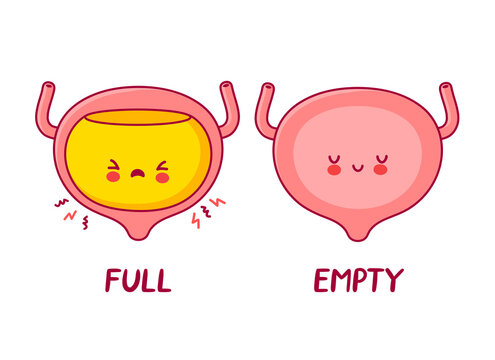
      The main symptom is an inability to urinate – this can either be a partial inability or full inability. Sometimes people may have to strain to empty their bladder, or take a long time to fully empty their bladder. Bladder spasms can be a huge issue for people with the condition as well.

      Often, people are unable to feel when their bladder is full. I rarely have bladder sensation unless I have an infection (which is when I often feel like I constantly need to go to the toilet).

      Stomach, bladder and pelvic pain are common side effects of Fowler’s. Pain can increase with specific movements and activities. Frequent infections can also exacerbate pain levels. Infection is also common – this can be because having a catheter is something that can increase susceptibility to infection, or being unable to fully empty the bladder can also increase the risk.

      My initial symptom was a kidney infection – it sent me in to full retention. When it was treated the symptoms appeared to resolve, though it’s likely that I was in partial retention. I then went back into full retention again, and so this, along with increased pelvic pain, were my initial symptoms.

      How is it diagnosed?

      Fowler’s Syndrome is a difficult condition to diagnose, but the gold standard test is a specialist one called ‘concentric needle electromyography’ (an EMG). Abnormal electrical activity on this test signifies Fowler’s. It’s a pretty uncomfortable test as a needle is used to record from the sphincter.

      Other tests that can be carried out include looking at flow rate, residual bladder volume scanning, urethral pressure profile, and ultrasound sphincter volume. However, these tests depend on whether you pass urine naturally or not.

      Urodynamics are often the first test that is given as it is commonly carried out in urology departments – if you are in full retention it is unlikely that there will be any useful results, although it can show whether or not your detrusor muscle (the main bladder muscle) is functioning at all.

      How long did it take for you to get a diagnosis? Are there any common misdiagnoses?

      I was incredibly lucky to get my diagnosis within 4 months of the initial onset of symptoms. On average it takes people seeing 8 professionals before diagnosis and it can take years before a solid treatment plan is given.

      The most commonly given first diagnosis is Detrusor Failure (Acontractile Detrusor) as this is a diagnosis that can be given after urodynamics which is the go to test for urological problems. However, when the EMG is done this then highlights the problem with the sphincter muscle and allows the diagnosis of Fowler’s to be given.

      When it was first mentioned to you as a diagnosis/given as a preliminary diagnosis how did that make you feel?

      In all honesty, I didn’t know what to think. I’d never heard of Fowler’s so it was a lot to get my head around. I didn’t know what to expect, I thought I’d need a catheter for a matter of weeks or months, and certainly didn’t expect to still have one 6 years later! But it was also a relief. No one was telling me that I was making it up or that they didn’t know why my symptoms had started, they could say ‘we might not know a lot, but we do know this’ and that felt reassuring at a time when I didn’t know what to expect next.

      What treatments are there? What have you tried in the past? Are there any treatment options you hope to try in the future?

      There isn’t a cure for Fowler’s but there are treatments that can be tried. Treatments are still being researched and developed.

      The one that a lot of Fowler’s patients try is Sacral Nerve Stimulation – this is particularly good for patients who are in full retention. Those in partial retention may benefit, but their symptoms are more likely to respond to self-catheterisation in order to fully empty the bladder. SNS is the only treatment that has been shown to restore voiding in patients who are otherwise in full retention. In short, SNS is like having a pacemaker for your bladder – it sends electrical signals to your sacral nerves (the nerves that control the bladder). You usually have a trial first to see if it is effective enough and if it is then the full device is implanted.

      A Suprapubic Catheter (SPC) is a surgical catheter that is inserted into the bladder through your lower abdomen. This can be better for those with Fowler’s as they bypass the urethra and so there are often fewer urethral spasms when a SPC is in situ rather than a urethral catheter.

      Bladder botox has been used for years for people with overactive bladders. It has been used for Fowler’s patients and has shown improvements in bladder emptying for some, as well as reducing bothersome symptoms like spasms and pain. The botox is injected directly into the sphincter and is usually effective for between 3-9 months.

      There are two more drastic options as well:

      Mitrofanoff surgery is a form of urinary diversion. The purpose of this is to form a man-made channel between the bladder and abdominal wall to allow intermittent self-catheterisation through the abdomen rather than urethrally. Often, it is made using the appendix, but when this isn’t possible part of either the small or large bowel can be used. This option means that you don’t need to have a catheter permanently in place or be attached to a bag.

      A Urostomy is a type of stoma and is another form of urinary diversion. A small section of bowel is used to form the stoma and this is connected to the ureters (the tubes that are connected to the kidneys). You then have a stoma bag that collects the urine and needs to be emptied throughout the day and changed regularly.

      Both of these are options that are seen as a last resort due to the complexity of them and the recovery time that is needed.

      I currently have a SPC (I’ve had it for 4 years now!) and have tried SNS but was told the trial wasn’t effective enough. I’m currently waiting to see if I can have another trial through pain management as it was very effective for my pain levels, and I should find out about this at the end of the month. I’ve been told by one consultant that Mitrofanoff or Urostomy surgery is my only option now, but this isn’t something that has been discussed further.

      What is one thing you wish people knew about Fowler’s Syndrome?

      That it is so much more than not being able to pee! It’s infections, sepsis, pain, leaking catheters, blood, more pain, spasms, medications, repeat hospital appointments, lack of understanding from professionals and those around you. It causes fatigue and can completely turn your life on its head. It’s a lot.

      What is the hardest part about having Fowler’s Syndrome?

      For me, it’s the catheter. I have very specific reasons why this is difficult – I have C-PTSD and my catheter is a huge trigger for me and so I find it incredibly hard to live with a catheter that causes such difficult emotions and thoughts to come up. I find catheter changes incredibly difficult because of this and it made self-catheterising near on impossible for me.

      Have you had any positive experiences with medical professionals about it, and if so, how has that impacted you?

      I have! My first urology nurse was incredible. She was very empathetic and understanding, and I really felt listened to by her. She is actually the reason I started sharing my journey more openly. I had spoken to her about how I felt like I must be the only person in the world my age to be experiencing symptoms like I was, and she sat me down and told me that it was so much more common than people thought. She said she’d love there to be a young urology ‘poster-girl’ (as most leaflets I got given featured pictures of old people on them) and it was after that appointment that I decided to open up more and raise as much awareness as possible.

      I’ve also been really lucky to have some incredibly district nurses coming out to me for catheter changes. They’ve held my hand, reassured me when I’ve had flashbacks, stayed at my flat for far longer than they should in order to make sure that I’m ok after a change. They’ve had cups of tea with me and listened to me play the piano, told me about their lives – treated me like a human and not a number. They’ve let me get to know them as much as possible so that I really feel like I have trusted relationships with them, which due to past trauma is something that means a huge amount for me.

      If you could change just one aspect of Fowler’s Syndrome, what would it be?

      The pain. Definitely the pain. I think I could come to terms with the catheter if I didn’t have to put up with such debilitating pain and spasms.

      If you could speak to med students, what is the most important thing you would want them to take away from the conversation?

      I actually spoke to some med students about Fowler’s last year! I was an inpatient on a psych ward (so I doubt they were expecting me to start talking urology at them) and they asked if they could have a chat with me and listen to my story. I told them that if there was one thing I wanted them to take from our discussion it was to remember what Fowler’s Syndrome is and to share it with fellow med students and lecturers. I appreciate that it is a rare condition, but it has such wide reaching effects and it still deserves attention and awareness.

      If anyone ever has any questions about Fowler’s Syndrome or bladder health in general, I’m always open to answering anything you want to know about!

      All my love,

      Anna x

      Loneliness in Chronic Illness

      Living with chronic illness is a journey that is full of challenges – physical, emotional, social – you name it, it can be a challenge. Among these, loneliness is something that is incredibly common but is also underestimated by a lot of people. Chronic illness fundamentally reshapes your entire life – activities that one brought you joy may no longer be possible due to pain or fatigue, friends and family may struggle to understand your limitations which also leaves you vulnerable to feelings of loneliness.

      Social events often require energy and effort that a lot of people with chronic illness are unable to participate in. Spoon theory is a good way to describe the energy limitations that are imposed on someone with a chronic health condition, and often we simply lack the ‘spoons’ needed. This can lead to feelings of isolation as being around friends and family is how we feel connected and is something that people need – we use solitary confinement in prisons as a punishment because it removes that connection that all humans need.

      As well as this, when people misunderstand our illness or limits that we have, it can lead to a lack of empathy or patience. It’s understandable that, unless you’ve got a chronic health condition yourself, you can’t fully comprehend what life is like. And as chronic illnesses are so unique and symptoms vary drastically from person to person there can be misunderstanding between individuals with the same condition. It often feels like no one understands what life can be like, and this is a lonely place to be!

      Loneliness doesn’t just stem from chronic illness either – it can actually worsen it. Social isolation can exacerbate feelings of depression, anxiety, and hopelessness, which can, in turn, amplify physical symptoms. It can feel like a never-ending cycle that is impossible to break.

      But despite the loneliness that you may feel, there are other ways to connect with people. I have found communities online that have allowed me to connect with and speak to other people with chronic illness who understand what life can be like. For me, social media is my connection to the outside world – if I didn’t have access to it then life would feel even more isolating for me. I sometimes take breaks from social media as it can feel overwhelming at times, but I do miss the sense of community and understanding when I am away from those groups.

      If you know someone who is living with a chronic illness, remember that your understanding and patience can make all the difference. Reach out, listen without judgement, and offer support in whatever way your loved one needs. Offer to pop round for a cup of tea or to go to drop off some shopping. Ask if they want to chat on the phone or over facetime. Find out if they need help with jobs around the house and offer to go over and help them get some bits done. Whatever is needed at the time – knowing that they have people who love and care about them will undoubtedly make the person struggling with chronic illness feel valued and connected to you!

      All my love,

      Anna x