
Sepsis is the body’s extreme response to an infection. It isn’t the infection itself, but the reaction of the body that causes the problem. It’s a medical emergency that needs immediate attention, but for so many people it goes unrecognised until it’s too late. When your immune system goes into overdrive it can lead to tissue damage, organ failure and, if not treated quickly enough, death.
Imagine waking up one day feeling a little off. Maybe you think it’s the start of a cold or exhaustion because you’ve had a busy week. But as the day goes on, something starts to feel incredibly wrong. Your heart races, your breath becomes quicker, and all of a sudden, you’re hit with an overwhelming sense of confusion and fatigue. This isn’t just a simple illness – this is sepsis, something that can spiral out of control with alarming speed.
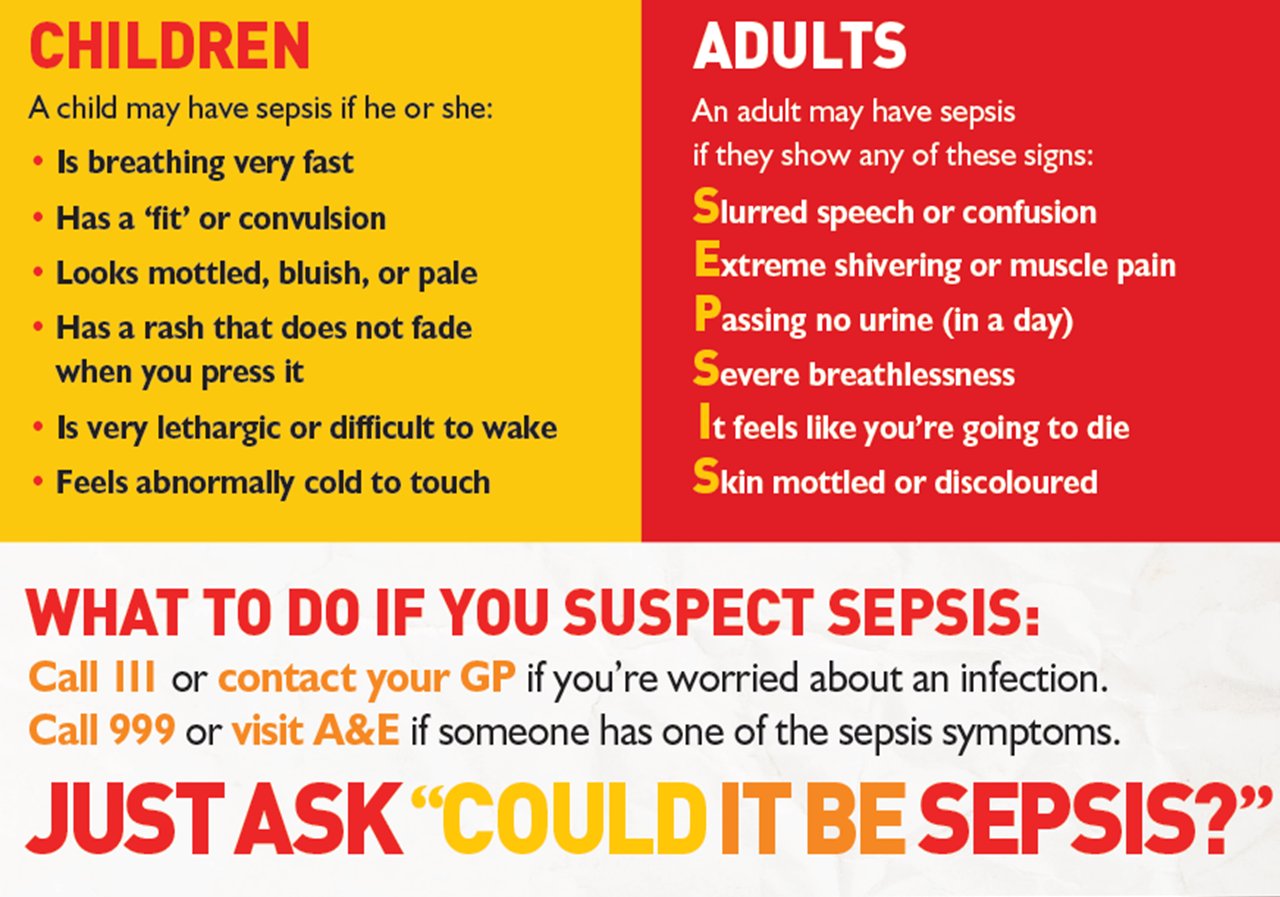
How might someone experience Sepsis and what is Post-Sepsis Syndrome?
For someone who has sepsis, the experience is terrifying and disorienting. It’s not just the physical symptoms you experience, but the mental disorientation and confusion, as well as an impending sense of doom. Often people are unable to think clearly, don’t know where they are or what’s happening, and they sometimes describe feeling like their body is shutting down.
And, even when someone is doing better, the journey isn’t over. For around 50% of people who survive sepsis they go on to develop Post-Sepsis Syndrome. This is something that can last for months, or even years after the initial infection. It is a collection of both physical and psychological symptoms that can have a huge impact on someone’s quality of life.
Physically someone might struggle with: fatigue, chronic pain, muscle weakness, organ damage, poor appetite, hair loss and shortness of breath. Psychologically the symptoms can include: hallucinations, panic attacks, flashbacks, anxiety, depression, insomnia, PTSD, nightmares and difficulty concentrating.
The risk of having PSS is higher for those who are either admitted to intensive care or are under an intensive care outreach team, and who are in hospital for a prolonged period of time. It is more likely that older survivors who have severe sepsis are likely to have worse cognitive and physical functioning post-sepsis. But it’s not exclusive to older adults – up to 34% of children are not back to their baseline for at least 28 days post hospitalisation.
Why is raising awareness important?
Sepsis is incredibly common – a lot more common that people may think. There are around 11 million deaths a year (with 48,000 people in the UK every year) and roughly 49 million cases of sepsis globally. It is thought to have a 20.3% death rate (according to a 2018 study) and, in the UK, nearly 80,000 people a year will suffer life changing after-effects. It also kills more than breast, bowel and prostate cancer combined.
However, despite being so common, and serious, people often underestimate the seriousness and prevalence of the condition. It’s very easy to think ‘I’m healthy, it won’t happen to me’, but the reality is that it can impact any one at any given time. I’m a strong believer that everyone should be educated on the symptoms of sepsis because delayed diagnosis leads to far worse outcomes. By raising awareness about sepsis, and PSS, it enables people to reach out for treatment sooner, and helps others understand what life post-sepsis can be like. The sense of isolation can be devastating, but there are people out there who do understand and who do want to help.
Sepsis is a life-changing condition that doesn’t end when you leave the hospital. So, spread the word about sepsis wherever you can. Let’s try to make a difference in the lives of sepsis-survivors, their friends, families and everyone who may experience sepsis in the future.
All my love,
Anna x
 Mending the Broken